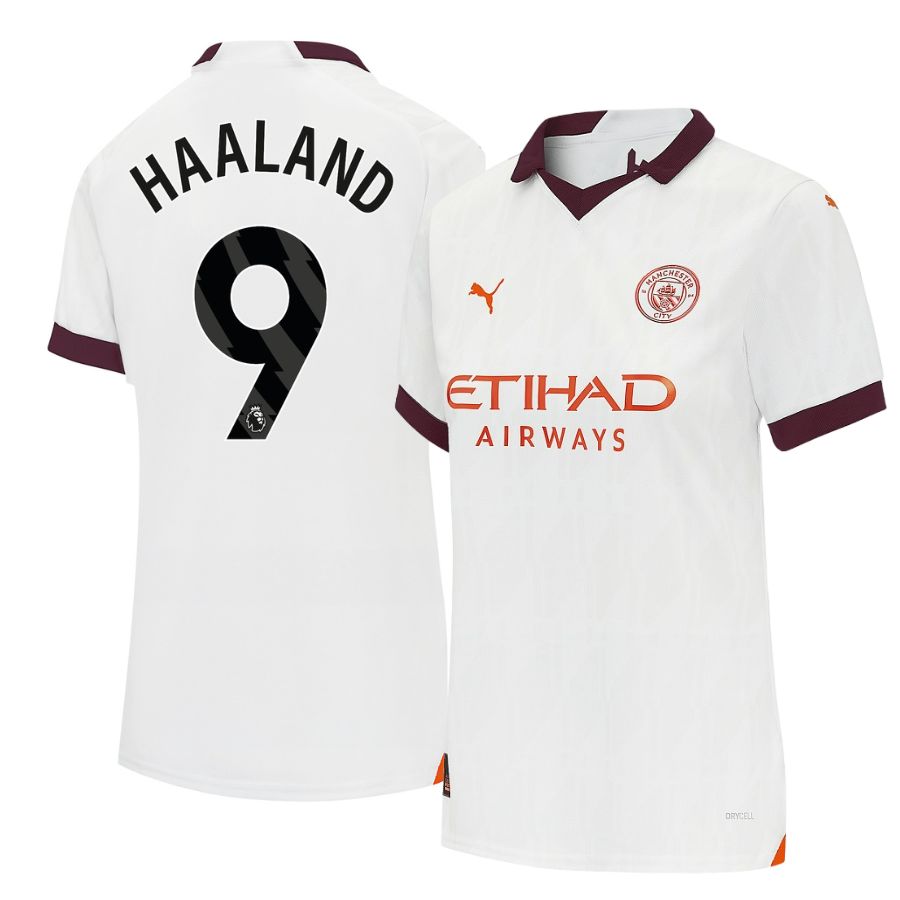
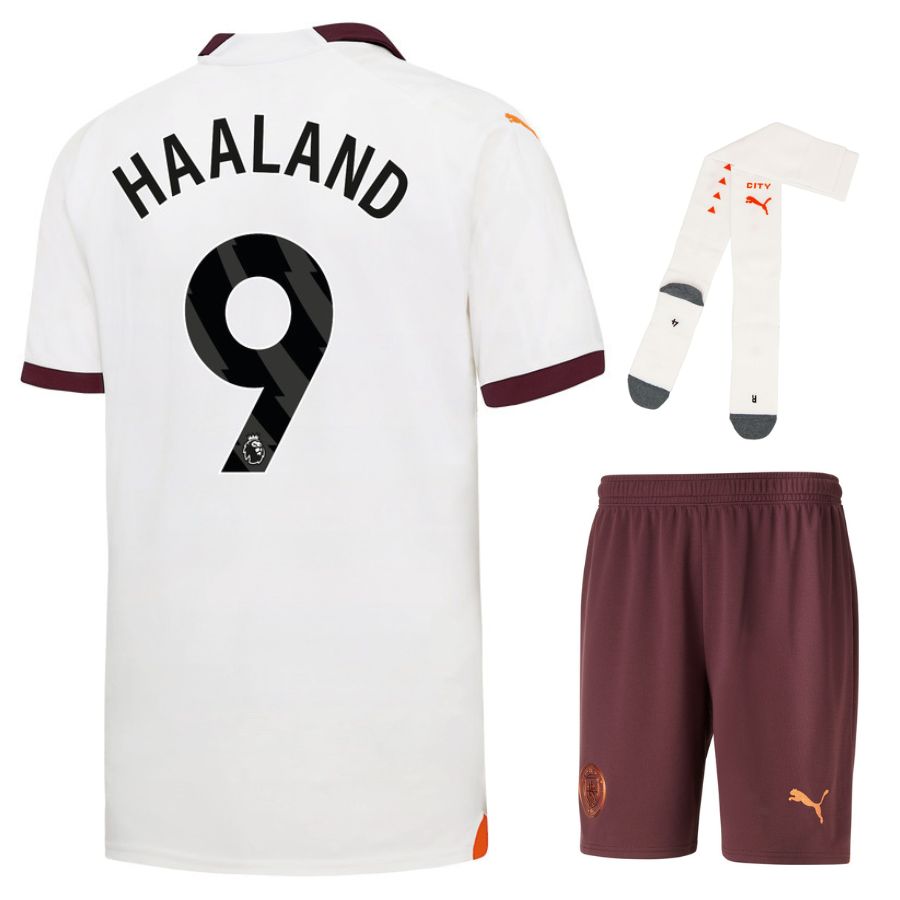
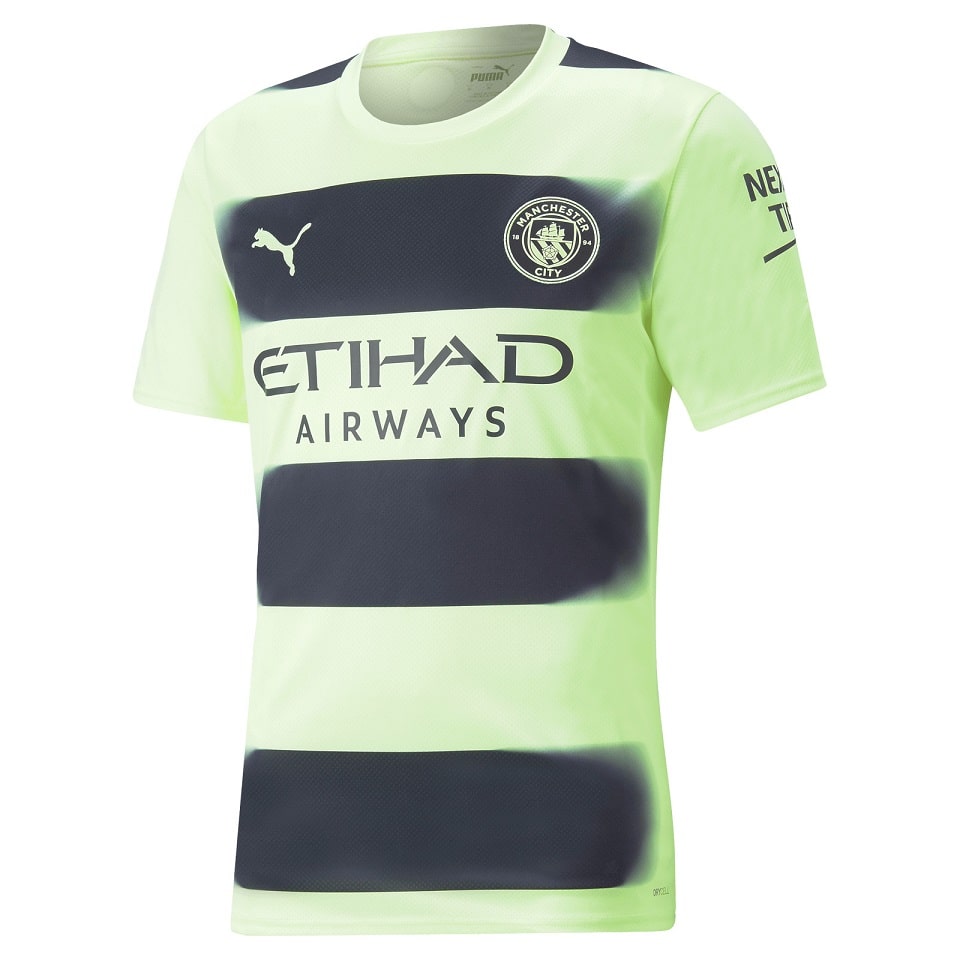
Football uniforms have made a huge leap from their humble initial. What was originally a simple outfit for athletes to distinguish themselves on the field has evolved into an iconic part of football's culture, expressing team identity, technology, and style. This article looks at the evolution of football uniforms over the years, while highlighting some of the biggest advancements and modifications as well as a focus on the kit Manchester City 2024, Jersey Manchester City 2025 and the Shirt Manchester City 2024 2025.
The Early Days: Simplicity and Functionality
In the beginning of football the uniforms of the early days were more practical than style. The players wore cotton shirts with long sleeves and heavy woolen shorts, that were generally uncomfortable and restrictive. The designs and colors were often basic and a lot of teams wore in plain uniforms with nothing distinctiveness beyond their team's colours. The fabric used in football kits of the past was heavy and the fabric did not effectively wick sweat away and made players feel sweaty and weighed down the field.
1920s to 1950s: The Rise of Team Identity
Through the 1920s, football uniforms were beginning to adopt more team-specific identities and clubs began to incorporate their traditional colors and logos into their kits. The heavy wool shirts and shorts were replaced with lighter and more durable materials yet they remained weighty in comparison to what we would call modern day. As the sport gained popularity, teams such as Manchester City began to develop their own unique styles with their famous sky blue shirts becoming a symbol of their individuality.
The 1950s marked a significant change as teams began to adopt synthetic materials that provided more the ability to move and comfort to players. It was still a long-sleeved shirt, but the fabric started to improve, becoming lighter and more breathable. However, it was not as technologically advanced as the modern-day fabrics.
The 1960s to 1980s: Innovation and Commercialization
As the decade progressed, there was the introduction of synthetic materials such as nylon and polyester into football uniforms. These materials were more lightweight, resistant to abrasion, and more breathable that led to improved comfort for players. This was also the period that football shirts began to be branded with player's numbers on the back. This was which was a crucial step towards identifying teams on the pitch.
In the 1970s technology advancements in the field of fabric enabled teams to wear clothes that were better-fitting and got more complex. Logos, stripes and other ornaments began appearing as teams tried to differentiate themselves from each and each other. Manchester City's uniforms, for example, displayed bold designs in this period, with vibrant accents and elaborate details that showed the growing commercialization of football.
By the 1980s, football kits became an significant commercial vehicle, featuring sponsors' logos prominently displaying on the shirts. 1987's World Cup was a turning stage in football's global fashion with teams like Argentina and Italy showcased their new, bold designs. These years marked the beginning of a change towards more commercialized and professional football world, and uniforms reflect that shift.
The 1990s to 2000s: Comfort and Performance
The 1990s and early 2000s saw huge advances in material technology and design. Jerseys became less bulky and breathable thanks to the use of moreJersey Manchester City 2025 data-> polyester blends as well as high-tech fabrics. Teams started to concentrate on performance as much as on aesthetics, while incorporating features that improved mobility and comfortable on the pitch. For example, Kit Manchester City 2024 is designed with cutting-edge technologies to ensure that players be at their very best making use of moisture-wicking fabrics to keep players dry during intense games.
The 1990s also witnessed the development of more original and vibrant designs, with striking patterns and colors that helped certain teams stick out. Football fans were more invested in the appearance of their teams and their jerseys began become a kind of merchandise that fans could use outside the stadium. In the end, jerseys were usually designed with fashion in mind, popular with fans who wanted to display their team's colors with confidence, both on and off the field.
The 2010s to Present: Sustainability and High-Tech Fabrics
In recent time, football uniforms have improved to a higher level. The introduction of materials that regulate the body's temperature, stretch with movement, and wick away sweat has significantly improved the comfort of players and performance. The use of recycled fabrics is also a major focus on the part of many clubs, adopting sustainable practices to make their kits more eco-friendly. Jersey Manchester City 2025, for instance. Jersey Manchester City 2025, for example, is made of sustainable fabrics and reflects the rising trend of eco-conscious sports apparel.
The look of modern football kits, such as the shirt Manchester City 2024 2025 are sleek and sleek and offers the most athletic fit that minimizes drag, while offering enough space for players to move freely. Modern design elements, like intricate patterns sublimated graphics and subtle textures, have added depth and style to kits, but without compromising their functionality.
In addition, modern football kit have been designed to offer comfort on both the playing field and in off. The integration of performance elements in everyday clothes has resulted in the growth of fanwear and lifestyle items that are stylish as they are practical. The fans can sport kits Manchester City 2024 not just for matches but also as part of their everyday outfit.
Key Trends in Football Uniforms Today
- Performance fabrics The most current jerseys such as Manchester City 2025. Jersey Manchester City 2025 is made of advanced fabrics that can wick away water, control temperature, and are stretchy for comfort.
- Eco-Friendly Designs Sustainability is a growing concern as clubs incorporate recycled materials into their kits, thus reducing their impact on the environment